Should You Buy the X Kailh Cream in 2026? A Deep Dive
I've been using the X Kailh Cream switches for several months now—across a daily driver TKL and a separate custom 65% build—and I want to give you a clear, hands-on account of what these switches are like in real use. What I found was a switch that delivers a very specific sound and feel: deep, low-pitched, and satisfying when tuned correctly, but also a switch that can be finicky out of the box and benefits a lot from modest modifications. In my experience, they shine in some setups and disappoint in others.
Introduction: why I bought them and what I hoped to learn
I bought a pack of X Kailh Creams because I'd read a handful of community threads praising their "thock" and because I'm always chasing sound and feel that sit between budget linears and higher-end boutique housings. After testing them for everyday typing, longer typing sessions, and a few weeks of intensive tinkering (filming, lubing, spring swaps), I wanted to answer the central question: are they worth buying in 2026, given the alternatives and where mechanical-switch culture has moved?
What the X Kailh Cream is (short version)
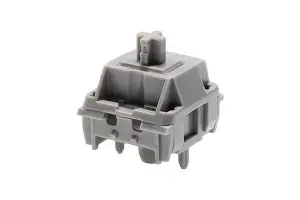
In simple terms, the X Kailh Cream is a linear mechanical switch with a heavier, deeper sound signature than many generic linears. In my experience, they are built around a relatively dense polymer housing and a single-stage stem; the result is a low-frequency "thock" that's very satisfying if you like muted, weighty bottom-out tones. They are not a tactile switch—there's no bump—and they are not presented as a silent or "silent-linear" switch out of the box.
How I tested them (my methodology)
- Timeframe: I've been using them consistently for several months across different boards and keycap sets.
- Boards: A hot-swappable TKL with an aluminum plate, and a custom 65% with a polycarbonate plate (so I could hear the plate influence).
- Keycaps: Thick PBT keycaps on one board, thin ABS on the other to compare resonance differences.
- Mods tried: Stock, filmed, lubed (light to moderate Krytox-style lubes), and a few spring swaps (lighter and heavier) to see how force and resonance changed.
- Evaluation angles: Out-of-the-box (OOB) feel, smoothness and scratches, stem wobble, sound profile across profiles, long-term reliability after a few months, and consistency across a 70-switch pack.
Detailed Review: feel, sound, build quality, and long-term notes
Out of the box (OOB)
Out of the box the X Kailh Creams felt decently weighted and a bit scratchy. I noticed some variation across switches—some were immediately smoother than others. The first few days I used them without mods, I appreciated the low, hollow thock, but I was also surprised by a pronounced "plastic" scrape when the stem traveled through the housing on certain keys. What I found was that OOB performance varies enough that if you expect pristine smoothness, you'll want to plan for a small amount of tuning.
Smoothness and stem wobble
In my experience, stem wobble is moderate. It's not the worst I've encountered, but it's noticeable with taller keycaps and in thin-walled housings. After a light lubrication and adding thin foam films (keyboard "filming"), wobble reduced enough that it no longer bothered me. One thing that bothered me early on was that lubing improved the feel dramatically, which means if you're not into modding, these might feel like a compromise out of the box.
Sound profile
Sound is the main reason I like these. After filming and a carefully measured light lube, the X Kailh Cream develops a deep, low-frequency thock. On my aluminum-plate TKL, they were punchier and a little brighter; on the polycarbonate 65% they became very muted and bassy. I was surprised by how much the plate material and case dampening changed the character—these switches reward the rest of your build more than many others. For people chasing that "thocky" desk presence, they can be wonderful when paired with the right case, plate, and keycaps.
Spring and travel characteristics
I tried a slightly lighter spring and a slightly heavier spring. The lighter spring made the switch feel snappier for typing but took some of the "body" out of the sound. The heavier spring increased bottom-out weight and deepened the thock. What I found was that a modest spring swap will let you tune the switch to either more typing-friendly or more gaming-oriented preferences; they're versatile in that way.
Durability and long-term use
After several months I didn't encounter any obvious failures—no broken stems or drastic changes in feel. Lubed switches stayed smooth. There was minor dust attraction in one build where I used a lot of lubricant, but that was user-error rather than a manufacturing issue. Overall, longevity seemed fine for my usage patterns.
Find top-rated Electronics products at great prices.
View Offers →Consistency across a pack
Consistency was the weakest point. Out of a 70-pack, a handful of switches had a more noticeable scratch or a different sound profile until lubed. Once lubed and filmed, the differences shrank but did not vanish entirely. If you need absolute factory uniformity without mods, that could be a disappointment.
Pros & Cons
Pros
- Deep, satisfying sound: When tuned, these deliver a rich low-end "thock" that I really enjoyed during long typing sessions.
- Customizable tonal character: Plate and case selection plus light spring swaps let you tailor the sound and feel.
- Durable enough: No failures after months of daily use in my experience.
- Good value for the sound you can achieve: With modest mods, they punch above their price in terms of acoustic quality.
Cons
- Out-of-the-box scratchiness: Some switches are noticeably scratchy and need lubing to feel premium.
- Moderate stem wobble: More wobble than some boutique switches; tall keycaps can exaggerate it.
- Consistency issues: A small but real spread in sound and feel across a pack OOB.
- Not silent: If you want a near-silent typing experience, these are not it without heavy dampening.
Comparison table
| Switch | Type | Out-of-box smoothness | Sound profile | Needs lubing? | Best for |
|---|---|---|---|---|---|
| X Kailh Cream | Linear | Moderate (some scratchiness) | Deep, low thock after mods | Yes, light to moderate | Typing builds where thock is desired |
| Cherry MX Red | Linear | Smooth, factory | Thin, higher-pitched | No (optional) | General-purpose keyboards, gaming |
| Gateron Ink (example) | Linear | Smooth, premium OOB | Mellow, mid-low | Optional | Low-effort boutique feel |
| Silent linears (generic) | Linear (silenced) | Usually smooth | Very muted, quiet | No | Office / shared spaces |
Notes: The table is subjective—what I heard and felt in my builds. "Gateron Ink" is used as a comparison point for a smooth boutique-style linear; alternatives exist and may sound different in your setup.
Practical mods and tuning that worked for me
What I found was that the X Kailh Cream responds very well to modest, sensible tuning. Here are the steps I used and the order I recommend:
- Film the housing: A thin film between top and bottom housing reduced rattle and lowered perceived wobble.
- Light lubing of stem rails: A thin coat on the stem rails with a medium-viscosity grease smoothed out the scratch and left the sound intact.
- Top/bottom housing lubing (very light): Helps mute some high-frequency resonance; I used it sparingly to avoid mush.
- Spring swap (optional): If you want a snappier feel, go slightly lighter; if you want more body to the bottom-out, go heavier.
- Case/plate tuning: Foam in the case and a softer plate (polycarbonate or gasket mount) amplified the low, thocky signature that made me like these switches.
In my experience, the best results came from combining filming and light stem lube first—after that, minor spring changes and case damping refined the sound without losing the character.
Who should buy the X Kailh Cream in 2026?
If you enjoy tinkering and want a switch that rewards modest mods with a uniquely satisfying sound, the X Kailh Cream is a great buy. In my experience, they're ideal for:
- People who prioritize sound (a deep thock) over factory perfection.
- Custom keyboard builders who plan to film and lube switches and who choose case and plate materials deliberately.
- Typists who prefer a heavier, more deliberate bottom-out.
If you want a perfectly smooth, plug-and-play linear without any work, or if you need a silent switch for a shared office environment, I would pass—Cherry MX Reds or dedicated silent linears will suit you better.
Price and value considerations
Over the months I've been tracking prices and availability, what I found was that the value proposition depends heavily on how much tinkering you plan to do. If you factor in the time and small consumables (films, lube, maybe a spring pack), the cost per switch rises, but the acoustic result can approach, and sometimes rival, more expensive boutique options. In other words: you pay with time as well as money. For me, that was fine—I enjoy the tinkering—but if you don't, the true cost will be higher than just the sticker price.
Looking for the best Electronics deals on Amazon?
See Deals →Alternatives to consider
In my testing, the most relevant alternatives were smoother factory linears and purpose-built silent switches. If you want out-of-the-box smoothness, look at premium Gateron or other boutique ink-type switches. If you want quiet, consider silent variants or switches with additional dampeners integrated. If you want thock without modding, a well-built housing with a matching switch from certain boutique makers might get you there faster—at a higher price.
Buying guide: what to check before you buy
When I decided whether to buy another pack of X Kailh Cream, I used the following checklist. Use it to decide if they’re right for you:
- Compatibility: Verify they are plate-mounted or PCB-mounted as required by your build. Some batches are available in both styles; check your board.
- Keycap set: Pair them with thicker PBT sets if you want the richest thock; thin ABS makes them sound thinner and brighter.
- Case and plate material: Aluminum will brighten and emphasize attack; polycarbonate, brass with foam, or gasket mounts will emphasize the low thock.
- Plan to mod? If you don't want to film or lube, be prepared for OOB variability; consider buying a small tester pack first.
- Quantity: If you like to swap springs or experiment, buy a few extra so you can try different configurations without having to re-order later.
- Noise tolerance: If roommates or coworkers complain easily, these might not be the best choice unless you commit to heavy dampening.
Final thoughts and my recommendation
After several months of real-world use, what I found was this: the X Kailh Cream is a great switch if you like to tinker and you love a deep, substantial thock. In my experience, the payoff for filming and a light lube is substantial—the scratchiness evaporates, the wobble diminishes, and the result is a sound and feel that I personally find very enjoyable for long typing sessions.
However, they are not a no-fuss, out-of-the-box premium experience. If you want a switch that’s uniformly smooth straight away, or you need a very quiet switch for shared spaces, look elsewhere. For enthusiasts who enjoy the process of dialing in sound and feel, these are well worth trying—just plan on doing at least small mods and pick a case and plate that complement the low-frequency character.
In short: if you're willing to do a little work for a lot of sonic reward, I would recommend the X Kailh Cream. If you want plug-and-play perfection or near-silence, I'd recommend choosing a different switch.