Should You Buy the Fiio Ft13 Wired Headphones in 2026? A Deep Dive
Introduction — why I bought the FT13 and how I tested them
I've been using the Fiio Ft13 wired in-ear monitors for about five months as my primary commute and desk listening option. I bought them because I wanted an affordable set of wired IEMs with a balanced, detailed sound that would pair well with both my phone and a portable DAC/amp. Over those months I listened across a wide range of music — acoustic, electronic, jazz, orchestral, and rock — and used the Ft13 with different sources (phone with and without a DAC, laptop, and a small desktop amp). I also tried multiple tip types and spent time evaluating comfort, isolation, and daily usability.
What I found was a headphone that punches above its price in some areas, shows clear compromises in others, and ultimately ends up being a very practical option for someone who wants a neutral-leaning sound without spending a fortune. Below I’ll walk through the build, comfort, sound, technical behavior, where this product shines, where it doesn’t, and who should — and shouldn’t — buy it.
What I tested and my listening setup
For full disclosure, I alternated between these setups:
- Smartphone (with high-quality USB-C output) for on-the-go listening
- Portable DAC/amp in my pocket for longer, critical listening sessions
- Laptop headphone jack for casual background listening
I used a mix of foam and silicone tips, and I tried both the stock cable and a third-party braided cable I already had. I listened at moderate levels and occasionally at higher levels for dynamic tracks. I also used the Ft13 for phone calls and voice chat to assess microphone and cable behavior (where applicable).
Design and build: solid, but not flawless
In my experience the Ft13 feels well-constructed for the price point. The housings are metal (matte-finished on my unit) and show minimal wear after months in a zippered case and my daily carry. The nozzles are sturdy and don’t have wobble or creak. I appreciated the tactile switches on the detachable faceplate (if your unit has a removable faceplate model) and the general sense that Fiio didn’t cut corners on fit-and-finish.
That said, there are small things that bothered me. The cable that ships with the Ft13 is decent — pliable and relatively low in microphonics — but it’s not particularly premium. After a few weeks I noticed the connector strain relief starts showing weak spots if you route it tightly behind your ear every day. Also, if you’re the type who tucks IEMs into a pocket without a case, the finish will eventually pick up fine scratches.
Accessories and tips
Fiio includes several tip sizes and sometimes foam tips depending on the box variant. I found the included selection adequate: medium silicone for balance and a pair of foam tips for better bass and isolation on the subway. Swapping tips made a meaningful difference to both comfort and bass response, so don’t skip experimenting.
Comfort and fit: easy to wear, long sessions are comfortable
In my experience the Ft13 fits slightly shallow compared to deep-insertion universal IEMs, which I appreciate for long sessions because it reduces a plugged sensation. I could wear them for two to three hours on a commute without needing to readjust. The ergonomics are neutral: they’re not the absolute lightest IEMs I own, but weight is well-distributed, and with a good tip they stay secure during walks and light exercise.
One thing that bothered me occasionally was the venting. On some tracks with very pronounced sub-bass, there was a subtle breezy feeling that I associate with midrange breathiness — not a deal-breaker, but noticeable if you’re sensitive to it.
Shop the latest Audio & Headphones picks on Amazon.
View Offers →Sound signature: balanced with a hint of warmth
What I heard from the Ft13 is a broadly balanced sound with slightly elevated lower mids and a textured bass. In my listening, the Ft13 doesn’t chase exaggerated bass; instead it offers taut, controlled low end that supports rhythm instruments and electronic basslines without overwhelming the mids. For acoustic and vocal tracks, that slightly forward lower midrange made voices feel present and intimate.
Treble extension is reasonably good — cymbals and high hats have bite and decay — but there were moments where certain recordings sounded marginally grainy or sibilant. That wasn’t consistent across all tracks; well-produced material sounded clean, while older, harsher masters could expose some edge. The overall treble presentation is energetic but not overly bright.
Following months of use, imaging and staging stood out as a relative strength. The Ft13 creates a clear separation of instruments for in-ear monitors at this price: panned elements were easy to locate and orchestral spacing felt natural. It’s not a headphone that will create a massive soundstage like some open-back over-ears, but for IEMs it’s satisfying.
Technical performance: clarity, dynamics, and pairability
Clarity: I noticed a good level of detail retrieval. Complex mixes revealed layering, and subtle textures in strings and guitars came through. The Ft13 reveals more with better sources; feeding it a clean DAC makes a tangible difference.
Dynamics: The transient response is snappy — percussion has a good attack. Where it struggles is with absolute slam on the very deepest sub-bass; it’s controlled rather than reinforced. If you’re listening to bass-heavy EDM for that chest-thumping impact, you might feel it’s slightly restrained compared to bass-centric IEMs.
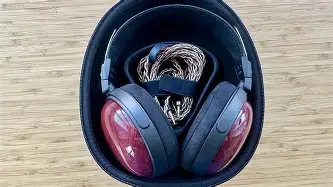
Pairing: The Ft13 pairs well with phones and compact DACs alike. With a neutral or slightly warm source the balance stays intact. With very warm, colored sources the lower mids can become a touch more forward; with bright sources the treble can come across as edgy. My advice: pair it with a neutral or slightly bright source if you want the most clarity and separation.
Usability: daily life, calls, and portability
For commuting and working, the Ft13 was a pleasure. Isolation with foam tips was good enough to cut the majority of subway and office noise while still letting me notice announcements. Microphonics are moderate; the stock cable transmits movement but not in an obnoxious way. For calls, I found voice pickup serviceable but not exceptional — on windy days, expect some noise without a dedicated inline mic and wind filter.
Portability is straightforward: these are wired IEMs so you need to manage the cable. The included carrying pouch protects them well in my bag and I appreciated that the housings don’t snag or tangle easily when stored correctly.
Looking for the best Audio & Headphones deals on Amazon?
View Offers →Pros & Cons
- Pros:
- Balanced, neutral-leaning sound with clear mids and textured bass
- Good build quality for the price — solid metal housings
- Comfortable for multi-hour listening sessions
- Great imaging and instrument separation for an IEM
- Plays nicely with a variety of sources; responds well to a DAC/amp
- Cons:
- Cable and connector strain relief feel only adequate; long-term durability is a worry
- Treble can be slightly grainy or sibilant on harsh recordings
- Sub-bass slam is controlled but not exaggerated — not ideal if you want heavy thump
- Microphone performance is basic for calls unless you use a separate inline mic
How the Ft13 compares (simple table)
| Model | Sound Signature | Strengths | Best For |
|---|---|---|---|
| Fiio Ft13 | Balanced / slightly warm | Clarity, imaging, build | Everyday listening, portable DAC users, vocals & acoustic music |
| Typical Bass-Focused IEM | V-shaped / bass-heavy | Sub-bass impact, fun listening | EDM, hip-hop, listeners who want heavy low-end |
| Neutral Reference IEM | Neutral / analytical | Fine detail, studio reference | Critical listening, mixing, audiophile reference |
Buying guide — is the Ft13 right for you?
In my experience, deciding whether to buy the Ft13 comes down to three questions:
- What music do you listen to most? If your library is heavy on vocals, acoustic, jazz, or classical, the Ft13’s balanced presentation and forward lower mids are pleasant and intimate. If you primarily listen to bass-heavy electronic music and want chest-thumping low end, you may prefer a more bass-forward model.
- How important is durability? The Ft13 is well-built, but the stock cable is the weak link. If you are rough with cables or want long-term peace of mind, factor in the potential cost of replacing the cable with a higher-end aftermarket option (or ensuring you buy a variant with a sturdier cable if available).
- Do you plan to use a DAC/amp? I found the Ft13 benefits from a clean source. If you have a phone with a great built-in DAC or a portable amp, pairing them will unlock better clarity and staging. If you’re strictly a casual phone listener with a heavily colored source, test for synergy before buying.
Other practical tips from my experience:
- Try different tip materials and sizes. Foam tips changed the low-end impact and isolation more than I expected.
- Use a small zippered case in your bag to prevent finish wear and cable tangles.
- If you plan to use them for calls a lot, either use an inline mic cable or accept that voice pickup will be average.
- Consider investing in a simple upgrade cable if you’re worried about long-term durability — the Ft13 pairs well with higher-quality braided cables.
Who should buy the Ft13 in 2026?
In my view after months of real-world use, the Fiio Ft13 is a great buy for:
- Listeners who want a balanced, detailed IEM without spending mid-fi prices
- People who frequently use a portable DAC/amp and want a responsive IEM
- Commuters who want good isolation with foam tips, but also want comfortable long-session wear
It’s less ideal for:
- Those who prioritize maximum sub-bass impact or a heavy bass profile
- Users who need the best possible microphone for voice calls built into the cable
- Buyers who want a lifetime of zero maintenance — the cable will likely be the first replacement item.
Conclusion — my final take
After using the Fiio Ft13 for several months, my impression is that Fiio delivered an impressively capable IEM for the money. The Ft13 gives you clarity, good imaging, and a natural-sounding midrange that makes vocals and acoustic instruments shine. It’s comfortable for long sessions and pairs nicely with better sources. The compromises — cable durability, occasional treble edge on poor masters, and restrained sub-bass — are real but manageable depending on your priorities.
If you want a practical, well-rounded wired IEM that performs well across genres and improves with a decent source, the Ft13 is worth serious consideration. If you require extreme bass punch or a built-in top-tier mic, look elsewhere. For my daily listening needs over the past five months, the Ft13 has been a reliable and enjoyable companion — warm enough to be fun, neutral enough to be revealing, and robust enough for everyday use.