Head-to-Head: Samsung Galaxy S26 Plus vs Poco X8 Pro Max (Detailed Comparison)
The smartphone market continues to present a broad choice between premium flagships and aggressive value flagships. This detailed comparison looks at two distinct approaches: the Samsung Galaxy S26 Plus, representing Samsung’s flagship lineage with a focus on refinement, longevity, and camera performance; and the Poco X8 Pro Max, which targets buyers who want high on-paper specs and rapid charging at a more attainable price. The article examines real-world use cases, what buyers typically care about, and guides readers toward the right choice for their needs.
Introduction: positioning and buyer expectations
At a glance, the Samsung Galaxy S26 Plus is positioned as a mainstream flagship for users who prioritize a refined display, polished camera system, long-term software updates and a premium build. In contrast, the Poco X8 Pro Max aims to disrupt the upper-midrange segment with aggressive pricing, fast charging and strong hardware-per-dollar—appealing to performance-minded buyers who are willing to trade some brand polish for value.
This head-to-head explores core areas buyers care about: design and build quality, display, performance, cameras, battery and charging, software and updates, connectivity and real-world usability for photography, gaming, media consumption and daily productivity. The goal is to give practical guidance for realistic scenarios like travel, long work days, content creation, and long-term ownership.
Detailed product review and analysis
Design and build
The Samsung Galaxy S26 Plus typically follows Samsung’s design language: a metal frame, glass back and refined ergonomics. Consumers can expect tight tolerances, water and dust resistance (IP rating), and subtle design cues that prioritize comfort and a premium feel in the hand. Samsung often invests in haptics and the small details—button feel, seamless frame transitions and matte or glossy finishes that resist visible wear.
The Poco X8 Pro Max is designed to deliver a bold look with durable materials where it matters. The device usually features a solid plastic or hybrid metal frame and a glass or reinforced back. Build quality is generally good for the price segment, though some compromises—such as a lower IP rating or slightly heavier chassis—can appear to keep costs down. For buyers who prioritize durability and a strong screen-to-body ratio over ultra-premium finishes, the Poco will be attractive.
Display
Samsung’s displays are a primary strength. The S26 Plus is expected to use high-quality AMOLED technology with accurate color reproduction, high peak brightness for outdoor visibility, and a smooth adaptive refresh rate. This makes it ideal for streaming HDR content, editing photos on-device, and comfortable daylight reading. Samsung also tends to include advanced display features like color management, eye comfort modes, and low blue-light calibration.
Poco historically offers high-refresh-rate LCDs or AMOLED panels in its premium models. The X8 Pro Max is likely to prioritize refresh rate and resolution to appeal to gamers and heavy media consumers—offering a fluid UI and solid contrast. While the panel may not match Samsung’s absolute peak brightness or color tuning out of the box, it usually offers excellent value and an engaging viewing experience for most users.
Performance and real-world usage
Samsung flagships typically ship with a top-tier chipset variant (region-dependent) and are tuned for consistent performance across heavy multitasking, photo processing, and demanding 3D games. The S26 Plus emphasizes thermal management and sustained performance, meaning prolonged gaming sessions or heavy editing tasks are less likely to cause throttling. For professionals doing frequent mobile editing or running intensive apps, the Samsung option will feel more stable and responsive.
Poco devices compete by packing high clock-speed chips and generous RAM for fluid everyday performance. The X8 Pro Max targets users who want fast app launches, smooth gaming performance, and high benchmark numbers at a lower cost. In practice, buyers will find excellent performance in normal use and many demanding games, though extended high-load sessions can sometimes reveal thermal throttling compared with premium flagships.
Camera systems and imaging
Camera experience is a crucial differentiator. Samsung often focuses on sensor quality, image processing, and features—delivering dependable results across lighting conditions. The S26 Plus’s camera stack typically includes a versatile main sensor, a telephoto or advanced periscope module for optical zoom, and wide-angle capability with Samsung’s tuned color science. For travel photography, portrait shots, and low-light scenes, a Samsung flagship tends to produce natural skin tones and reliable dynamic range.
Find top-rated Mobile Phones products at great prices.
View Offers →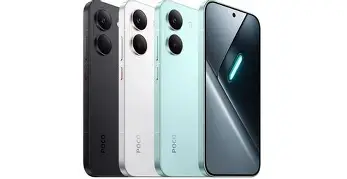
Poco’s camera hardware usually emphasizes high-resolution sensors and aggressive pixel-binning strategies. The X8 Pro Max will likely capture impressive detail in daylight and offer competitive ultra-wide options. However, image processing may produce punchier saturation and contrast, which some users prefer for social sharing. In low light, the Poco can deliver good results, but it may not match the noise control and computational HDR refinement seen in Samsung’s software pipeline.
Battery life and charging
Battery behavior is a practical concern for almost every buyer. Samsung balances battery capacity with software optimizations to deliver a full day of mixed usage for most users, with conservative battery management during standby and efficient background task handling. Charging speeds on Samsung devices are competitive but often more conservative than some value flagships that chase headline-watt numbers.

Poco emphasizes fast charging as a key selling point—buyers get impressive wattage for rapid top-ups that suit users who value short charging windows. Battery capacities tend to be generous too, so mixed use usually stretches through the day. The trade-off can be that sustained fast charging generates more heat, and long-term battery longevity will depend on charge management and user habits.
Software, updates and ecosystem
Samsung offers a polished, feature-rich OS experience with One UI on top of Android, delivering productivity features, integrations with Samsung’s wearable and tablet ecosystem, and multi-year update commitments (major Android updates and security patches). Buyers who prioritize long-term software support, platform stability, and smooth multi-device continuity will find Samsung compelling.
Poco runs a customized system that emphasizes performance and customization. Update frequency and long-term support historically lag behind the biggest manufacturers, though software teams have improved over time. For buyers who value customization, frequent feature additions, and a less restrictive environment, Poco’s software is appealing. Those who prioritize guaranteed long-term updates might prefer Samsung.
Connectivity and extras
Samsung generally includes comprehensive connectivity—robust 5G band support, Wi‑Fi 6/6E (depending on model), NFC for payments, and advanced GNSS for navigation. Additional features like wireless charging, reverse wireless charging, stereo speakers with fine tuning, and extensive accessory support add to the premium experience.
Poco focuses on essentials that matter most to buyers: fast 5G, reliable Wi‑Fi, and NFC in most regions. Wireless charging and some premium extras may be absent to preserve value pricing. For users who depend on wireless charging or premium speaker setups, Samsung is likely the stronger option.
Comparison table
| Category | Samsung Galaxy S26 Plus | Poco X8 Pro Max |
|---|---|---|
| Positioning | Premium flagship—refinement, longevity, and camera focus | Value flagship—high specs for the price, fast charging |
| Design & Build | Metal/glass, premium fit, IP-rated | Solid build, cost-optimized materials, limited IP |
| Display | Top-tier AMOLED, excellent color accuracy, high brightness | High-refresh panel, strong value, excellent for media/gaming |
| Performance | Flagship-class chip tuned for sustained loads | Very strong performance for price; may throttle under long loads |
| Camera | Balanced, versatile, strong low-light and zoom processing | High-res sensors, punchy results, excellent daylight detail |
| Battery & Charging | Reliable all-day battery, moderate-to-fast charging | Large battery, very fast wired charging (value advantage) |
| Software & Updates | Polished UI, multi-year updates and security patches | Feature-rich custom UI, shorter guaranteed update window |
| Extras | Wireless charging, enhanced ecosystem features | Fewer premium extras; focus on essentials and performance |
| Best for | Buyers wanting long-term value, polished camera, and premium feel | Buyers wanting raw specs, fast charging, and the best price-to-performance |
Pros & cons
Samsung Galaxy S26 Plus
- Pros: Premium build and ergonomics; excellent display for media and HDR content; dependable, versatile camera system; long software update support; polished ecosystem and features for productivity.
- Cons: Higher price relative to spec sheets; charging speeds may be slower than value flagships; flagship price means value-conscious buyers may prefer cheaper alternatives with similar raw specs.
Poco X8 Pro Max
- Pros: Aggressive pricing for high specs; fast wired charging and large battery; strong performance for gaming and multitasking; good everyday cameras for social sharing.
- Cons: Less premium feel compared with true flagship builds; software update promise may be shorter; some premium extras (wireless charging, advanced water resistance) may be missing.
Buying guide: which one to choose
Considerations by use case
Photography and travel: Buyers who prioritize consistent, high-quality photos across lighting conditions—especially when telephoto zoom, night photography, or color fidelity matter—should lean toward the Samsung Galaxy S26 Plus. Samsung’s processing and optical hardware tend to produce reliable results without manual intervention, which is valuable on trips and when documenting events.
Gaming and media on a budget: The Poco X8 Pro Max excels where raw performance and a high-refresh display matter most. Gamers who want higher frame counts and rapid charging between sessions will appreciate Poco’s emphasis on speed and battery top-ups.
Looking for the best Mobile Phones deals on Amazon?
View Offers →Longevity and resale value: A Samsung flagship generally holds value better over time thanks to brand recognition, build quality, and longer software support. If a buyer plans to keep the phone for several years or resell it later, the S26 Plus is the safer long-term choice.
Battery life and daily endurance: Both phones can deliver a full day for typical users. If very fast charging is a priority (for example, frequent short breaks during travel or work), the Poco’s faster wired charging will be advantageous. If wireless charging or power sharing is an important convenience feature, Samsung is more likely to include it.
Practical buying questions
- Does the buyer need guaranteed updates? Choose Samsung for longer and more predictable update windows.
- Is max performance-per-dollar the priority? Poco typically provides the best compromise between raw specs and cost.
- Is camera versatility essential? Samsung’s camera system and computational processing are often better tuned for varied real-world scenarios.
- Does the buyer prefer a polished experience out of the box? Samsung’s software and hardware integration tends to be smoother and more refined.
- Is the buyer price-sensitive or wants the highest watt charging? Poco will likely be more attractive.
How to evaluate after unboxing
When testing either device in person or during a trial period, follow these steps to evaluate whether the phone suits the buyer’s needs:
- Check ergonomics and grip during prolonged use—hold the phone one-handed and two-handed to assess comfort.
- Test the display in bright daylight with HDR video and check for touch responsiveness in fast games.
- Run a camera shoot: daylight portrait, low-light scene, and a zoomed subject—to compare processing and ease of use.
- Play a graphically demanding game for 15–30 minutes to observe thermal behavior and sustained performance.
- Perform a quick charge test: measure time to 50–80% to see whether charging speed matches expectations.
- Review software settings for customization, privacy controls, and available features that affect daily workflows.
Value assessment and total cost of ownership
Beyond upfront price, buyers should consider the total cost of ownership. Samsung’s multi-year update policy and better resale value can offset initial price differences. Poco’s lower initial cost can be attractive for short-to-medium term ownership, but buyers should weigh potential earlier obsolescence from fewer OS upgrades.
Accessories and extras (cases, screen protectors, wireless chargers) add to cost. Samsung users often benefit from a wider ecosystem—wearables and tablets that integrate tightly—while Poco buyers may spend less on accessories overall.
Final verdict
Both the Samsung Galaxy S26 Plus and the Poco X8 Pro Max represent compelling propositions, but for different audiences. The Samsung Galaxy S26 Plus is better-suited for buyers who prioritize a premium, polished experience: superior display quality, consistent camera performance across conditions, and a promise of long-term software support. It is the pragmatic choice for users who rely on their phone for photography, productivity, and those who plan to keep their device for several years.
The Poco X8 Pro Max is a strong candidate for buyers who want maximum hardware for their budget: high refresh rate displays, fast charging, and excellent performance in everyday and gaming scenarios. It appeals to those who prioritize immediate value, rapid charging cycles, and aggressive on-paper specifications.
Ultimately, the decision comes down to priorities: choose Samsung for refinement, reliability, and a long-term investment; choose Poco for value-focused performance and fast charging that suits an active, price-conscious user. Either phone can be an excellent daily driver—matching each buyer’s real-world needs makes the difference.