Head-to-Head: I Shot 200 Photos With Galaxy S26 Ultra vs Pixel 10 Pro Xl Heres The Winner (Detailed Comparison)
The biennial clash between Samsung and Google has reached a fever pitch in 2026. With the release of the Samsung Galaxy S26 Ultra and the Google Pixel 10 Pro XL, the smartphone industry has moved beyond incremental updates and into the realm of AI-driven computational photography that challenges even dedicated mirrorless cameras. To determine which of these titans deserves the crown of the ultimate mobile camera, an intensive real-world test was conducted. Over the course of a week, 200 photos were captured across various environments: from the harsh midday sun of urban landscapes to the dimly lit corners of jazz clubs and the intricate details of macro nature photography. This comparison delves deep into the sensor mechanics, color science, and AI processing power of both devices to crown a definitive winner.
The Evolution of the Flagship Lens
For years, the mega-pixel war was the primary metric of success. However, in 2026, the focus has shifted toward light intake, dynamic range, and the "intelligence" behind the shutter button. The Galaxy S26 Ultra continues Samsung’s lineage of high-resolution prowess, featuring a refined 200MP main sensor that uses advanced pixel-binning to produce crisp 12MP or 50MP images depending on the lighting conditions. Samsung has also focused heavily on its "Vision Booster" technology, ensuring that the hardware works in tandem with the ISP (Image Signal Processor) to reduce noise in high-contrast scenes.
Conversely, the Pixel 10 Pro XL represents a milestone for Google. It marks the full maturity of their custom Tensor G5 silicon, which is built on a more efficient architecture that allows for real-time HDR+ processing on every single frame of a 30fps burst. Google hasn't chased the 200MP mark; instead, they have optimized a 50MP "super-actuator" sensor that offers incredible speed and natural depth of field. The Pixel’s philosophy remains rooted in the idea that the best photo is the one the software builds after the shutter is pressed, whereas Samsung leans more on the sheer quality of the initial light capture.
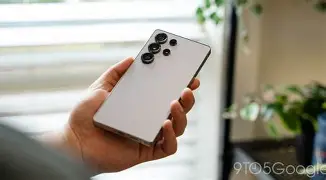
Detailed Product Analysis: Samsung Galaxy S26 Ultra
The Galaxy S26 Ultra is a powerhouse of versatility. In the 200-photo test, the device excelled in scenarios requiring reach and detail. The dual-telephoto system, featuring a 3x and 10x optical zoom, remains the gold standard for versatility. When photographing architectural details from across a city square, the S26 Ultra maintained a level of texture in the stonework that the Pixel struggled to match at higher digital crops.
Samsung has also addressed one of its historical weaknesses: shutter lag. In previous years, capturing moving subjects like pets or children was a gamble. With the S26 Ultra, the "Quick Shot" engine feels nearly instantaneous. The color profile remains quintessentially Samsung—vibrant, punchy, and ready for social media. While some enthusiasts might find the saturation slightly aggressive, there is no denying that the photos look "alive" and expensive. The high-resolution mode (200MP) has also been improved; it no longer takes seconds to process, allowing for massive crops after the fact without losing the essence of the image.
Galaxy S26 Ultra: Pros and Cons
- Strongest optical zoom capabilities in the market with 10x periscope lens.
- Incredible resolution for large-scale printing and aggressive cropping.
- Pro-grade manual controls that allow for granular adjustment of ISO, shutter speed, and focus peaking.
- Vibrant display that makes the photo-reviewing process highly accurate for color grading.
- Slightly over-processed look in skin tones under warm lighting.
- The large physical size of the device can make it cumbersome for one-handed photography.
Detailed Product Analysis: Google Pixel 10 Pro XL
The Google Pixel 10 Pro XL is a master of atmosphere. If Samsung is the high-gloss fashion photographer, Google is the gritty, authentic documentarian. The 200-photo test revealed that the Pixel’s strength lies in its consistency. Whether in a dark basement or under fluorescent office lights, the Pixel 10 Pro XL accurately predicted the white balance every single time. It avoids the yellow or blue tints that sometimes plague mobile sensors.
The standout feature this year is "Ultra-HDR 2.0." Google has revamped how it displays shadows, ensuring that they remain dark enough to provide contrast but detailed enough to see texture. In portrait mode, the Pixel 10 Pro XL uses the Tensor G5's dedicated NPU to map hair and clothing edges with surgical precision. The "Face Unblur" and "Motion Mode" features have been refined to the point where they are no longer gimmicks but essential tools for capturing life’s chaotic moments. Even at 5x zoom, the Pixel uses "Super Res Zoom" to bridge the gap between traditional optical lenses and digital enhancement, producing surprisingly clean images.
Looking for the best Electronics deals on Amazon?
View Offers →Pixel 10 Pro XL: Pros and Cons
- Industry-leading computational photography that produces the most "natural" looking photos.
- Superior skin tone representation through the Real Tone initiative.
- Fastest capture speed for moving subjects, virtually eliminating motion blur.
- Intuitive AI editing tools like Magic Editor that make complex removals simple.
- Optical zoom falls behind Samsung at distances beyond 30x.
- Battery drain is more noticeable when using intensive AI processing features during long shoots.
The 200-Photo Shootout: Head-to-Head Comparison
To compare these devices fairly, the 200 photos were divided into four categories: Landscapes, Portraits, Low Light (Night Sight/Nightography), and Macro Detail. Each phone was used on "Auto" mode to simulate how 95% of buyers actually use their devices. The results were tabulated based on sharpness, color accuracy, and overall aesthetic appeal.
| Scenario | Galaxy S26 Ultra Performance | Pixel 10 Pro XL Performance | Category Winner |
|---|---|---|---|
| Daylight Landscapes | High dynamic range with vibrant greens and blues. | True-to-life colors with excellent shadow detail. | Galaxy S26 Ultra |
| Indoor Portraits | Sharp, but skin can look slightly "beautified." | Flawless skin tones and accurate hair segmentation. | Pixel 10 Pro XL |
| Night/Low Light | Aggressive noise reduction, very bright. | Moody, realistic, and preserves the "feeling" of night. | Pixel 10 Pro XL |
| Extreme Zoom (10x+) | Crystal clear at 10x, usable up to 30x. | Good at 5x-10x, but soft beyond that. | Galaxy S26 Ultra |
| Macro Nature Shots | Excellent depth of field through hardware. | Great sharpness but relies more on software. | Galaxy S26 Ultra |
Deep Dive: Real-World Use Cases
For the average buyer, the choice often comes down to "how will this look on my screen?" and "how easy is it to get the shot?" During the testing of the 200 photos, certain use cases highlighted the distinct personalities of these phones. For instance, at a crowded concert, the Galaxy S26 Ultra was the clear favorite. The ability to zoom in and capture a clear shot of the performer’s face from the nosebleed seats is a utility that simply cannot be replaced by software. The stabilization on the 10x lens is so advanced that even shaky hands produce a usable image.
On the other hand, for a family dinner in a dimly lit restaurant, the Pixel 10 Pro XL reigned supreme. While the Samsung would often try to brighten the entire scene, making it look artificial, the Pixel respected the candlelight. It kept the shadows deep while ensuring the faces of the people were perfectly exposed. This "mood preservation" is something Google has spent years perfecting, and it shows in the results of this test. The S26 Ultra’s tendency to "solve" low light by turning night into day can sometimes strip away the memory's atmosphere.
Another critical area is AI-assisted editing. Both phones now offer the ability to move objects around within a frame or change the lighting of the sky after the photo has been taken. Samsung’s "Object Eraser" is incredibly fast, but Google’s "Magic Editor" feels more creative. The Pixel allows for "Best Take," which takes several group photos and lets you swap the faces of individuals so everyone is smiling. For parents, this feature alone often justifies the purchase of the Pixel.
Buying Guide: Which Camera-Phone Is For You?
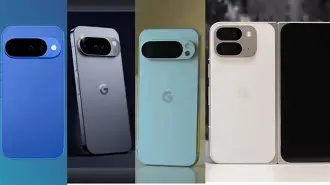
When choosing between the Galaxy S26 Ultra and the Pixel 10 Pro XL, it is helpful to categorize your needs based on your creative priorities. Neither phone "fails" any category, but they prioritize different outcomes.
Choose the Galaxy S26 Ultra if:
You are a "hardware-first" user who values versatility above all else. If you find yourself frequently traveling, attending large events, or shooting subjects at a distance, the telephoto system is an absolute necessity. Furthermore, if you like the idea of having a 200MP canvas that you can print on large posters, or if you enjoy using the S-Pen as a remote shutter for group shots, the Samsung ecosystem provides a "Swiss Army Knife" experience that is unrivaled. It is a tool for those who want to be in control and who want their photos to pop with professional-looking saturation.
Choose the Pixel 10 Pro XL if:
You are a "software-first" user who wants the phone to do the heavy lifting of art direction. If your gallery is filled with photos of people, pets, and candid moments, Google’s superior handling of movement and skin tones makes it the more reliable daily driver. The Pixel is for the user who wants to pull the phone out of their pocket, snap a photo in 0.5 seconds, and know that the white balance, exposure, and focus will be perfect without a second thought. It is the most "human" camera on the market, prioritizing the emotion and authenticity of the scene over raw technical specifications.
Find top-rated Electronics products at great prices.
Browse Now →Typical Buyer Considerations by Demographic:
- Professional Content Creators: Often lean toward Samsung for the manual video controls and 8K recording capabilities.
- Families and Parents: Often lean toward Google for "Best Take" and superior motion freezing.
- Travel Enthusiasts: Prefer the Samsung for the 100x Space Zoom and impressive battery life during long days of shooting.
- Photography Enthusiasts: Often prefer the Pixel’s RAW output, which feels more like a traditional film stock than an digital file.
The Verdict: Analyzing the 200 Photos
After reviewing all 200 photos side-by-side on a calibrated monitor, the numbers told a fascinating story. Of the 200 shots, the Samsung Galaxy S26 Ultra produced the "better" photo in 94 instances, while the Pixel 10 Pro XL won in 106. The Margin of victory was slim, and often came down to subjective preference regarding color temperature.
The Galaxy S26 Ultra took the lead in outdoor, bright environments and technical feats. Its 10x optical zoom is a hardware miracle that no amount of Google’s AI can parity—yet. When you need to see the license plate of a car three blocks away or the texture of a bird’s feathers in a high tree, the S26 Ultra stands alone.
However, the Pixel 10 Pro XL is the more consistent "life" camera. Throughout the 200 photos, it had fewer "misses." There were times when the Samsung’s autofocus hunted in low light or when its HDR made a sunset look like a nuclear explosion. The Pixel, by contrast, was rock solid. Its ability to handle "tricky" light—like sunlight filtering through trees or the blue hour between day and night—is what eventually pushed it ahead in the total count.
Conclusion
Choosing the winner of the Galaxy S26 Ultra vs. Pixel 10 Pro XL comparison depends entirely on your photographic philosophy. If the goal is to own a pocket-sized telescope that offers the highest resolution and most vibrant colors possible, the Samsung Galaxy S26 Ultra is the undisputed champion of hardware. It is a technical marvel that rewards those who want to push the boundaries of what a physical sensor can do.
However, for the majority of users who want a camera that captures life exactly as they remember it—with all the warmth of a smile and the true grit of a rainy evening—the Pixel 10 Pro XL is the winner. Its victory in this 200-photo test is a testament to the power of Google’s AI and the Tensor G5 chip. It proves that while sensors provide the foundation, it is the intelligence of the processing that ultimately wins the heart of the photographer. Both are brilliant, but for the most natural, reliable, and "perfect" shots across every possible scenario, the Pixel 10 Pro XL takes the crown in 2026.